

New Delhi:
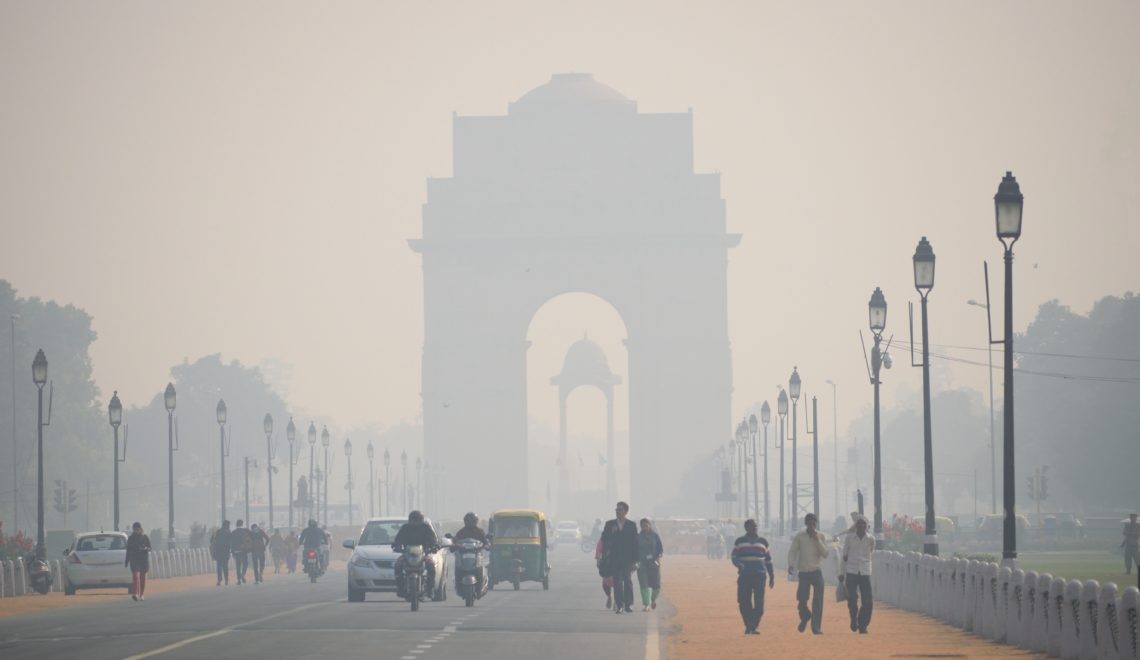
Delhi air pollution Grap-3 is a grave concern. Delhi woke up early Saturday morning, checked its Air Quality Index, saw 390, and said, “Hmm… not bad, but let’s aim higher.” By noon, the city proudly crossed 405 AQI, officially entering the ‘Severe’ club — because why settle for very poor when you can be exceptional?
With lungs gasping and visibility playing hide-and-seek, authorities quickly rolled out GRAP-3, Delhi’s annual winter tradition — right after sweaters and before coughing fits.
GRAP-3: Because GRAP-2 Clearly Wasn’t Doing Enough
Under GRAP-3, Delhi decided to take drastic measures such as:
- Banning non-essential construction, because apparently, breathing is more essential than building.
- Stone crushing and mining halted, as stones already have enough dust drama.
- Old diesel vehicles told to stay home, probably offended after years of loyal service.
- Schools up to Class 5 go hybrid, meaning kids can now study pollution theory while living it.
- Offices allowed 50% staff, so half the workforce can work, and the other half can… cough peacefully at home.
Wazirpur Wins “Most Polluted Area” Trophy 🏆
In the pollution Olympics:
- Wazirpur took gold with AQI 443
- Jahangirpuri followed closely like a competitive cousin
- Vivek Vihar, Anand Vihar, Ghazipur, Rohini, and friends ensured Delhi remained a united front — united against oxygen
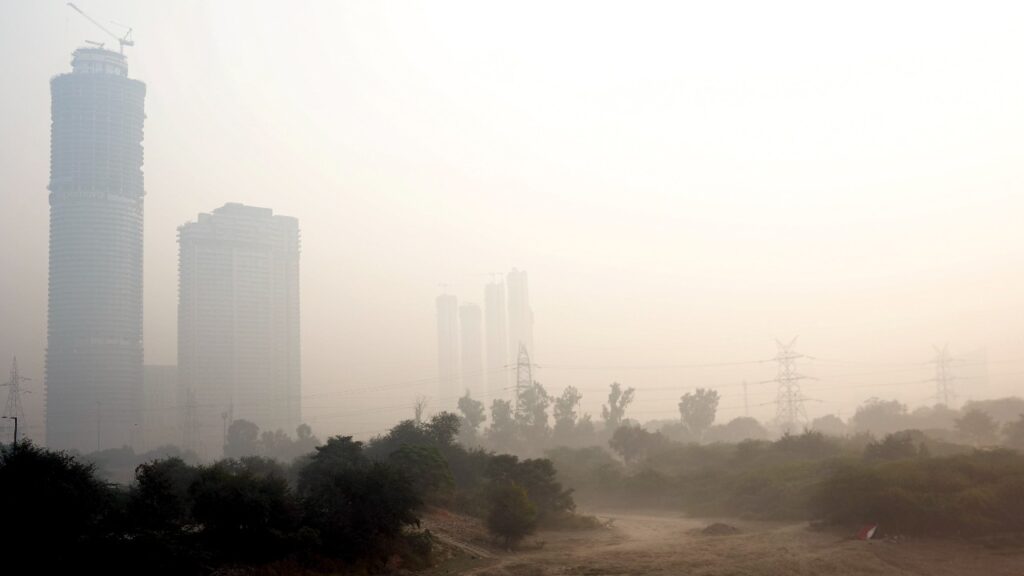
Visibility was so low that landmarks reportedly started questioning their own existence.
Experts Explain: “It’s Complicated” (But Mostly Smoke)
Environmental experts blamed:
- Stagnant winds (apparently also tired of Delhi)
- Vehicular emissions
- Industrial pollution
- Crop residue burning
Basically, everyone except the AQI machine, which is just delivering bad news.
Health experts warned prolonged exposure could lead to asthma, lung damage, heart issues, eye irritation, throat problems, and existential crisis — though Delhi residents mostly responded with “haan haan, aadat ho gayi hai.”
Delhi Airport Reassures: “Flights Are Fine, Trust Us”
Meanwhile, Delhi Airport calmly announced:
“Low visibility procedures are in place, but flights are normal.”
Translation:
Planes can see better than humans right now.
Passengers were advised to check with airlines or simply follow the glow of runway lights through the smog. Delhi air pollution GRAP-3 is a deep concern and must be addressed.
Final Thought
As winter tightens its grip, Delhi once again proves it doesn’t just experience pollution — it masters it. Oxygen remains optional, masks are a fashion, and GRAP alerts are basically seasonal newsletters.
Stay safe, stay masked, and remember:
In Delhi, air is not a right — it’s a privilege. 😷
Delhi Air Pollution: When Winter Arrives With Free Smog
Every winter, Delhi residents eagerly wait for cold mornings, warm chai, and… air that looks like a deleted scene from a dystopian movie. This Saturday was no different. As the mercury dipped, the Air Quality Index (AQI) shot up, crossing the severe threshold and officially summoning GRAP-3 — Delhi’s most predictable seasonal guest.
By early morning, AQI hovered around 390 (very poor), but by noon it confidently marched past 405, proving once again that Delhi doesn’t do half-measures — not even with pollution.
What Is GRAP-3 and Why Is Delhi Back Here Again?
The Graded Response Action Plan (GRAP) is Delhi-NCR’s emergency instruction manual for polluted air. It activates in stages, depending on how badly the city is gasping.
- Stage 1: Poor (AQI 201–300) – mild concern
- Stage 2: Very Poor (AQI 301–400) – panic begins
- Stage 3: Severe (AQI 401–450) – welcome to GRAP-3
- Stage 4: Severe Plus (AQI 450+) – thoughts and prayers
With AQI officially in Stage 3, authorities pulled the GRAP-3 lever faster than Delhiites pull out masks.
GRAP-3 Restrictions: The Annual “Damage Control” Package
Under GRAP-3, the capital quickly dusted off its pollution rulebook:
- 🚧 Non-essential construction banned — because the air already has enough dust.
- 🚚 Older diesel goods vehicles restricted — retirement plans finally enforced.
- 🏭 Stone crushing and mining halted — rocks also need a break.
- 🏫 Schools up to Class 5 move to hybrid mode — kids can now study pollution from the comfort of home.
- 🏢 Offices allowed with 50% staff — half the city works, half coughs.
These measures are meant to reduce emissions, though Delhi residents know the real goal is simply to survive till spring.
Worst-Hit Areas: Pollution Champions of the Day
Some neighbourhoods went above and beyond in contributing to the smog:
- Wazirpur: AQI 443 (clear winner)
- Jahangirpuri: AQI 439–442
- Vivek Vihar: AQI 437
- Anand Vihar & Ghazipur: AQI 435
- Rohini: AQI 436
- RK Puram: AQI 404
At these levels, visibility drops so low that Google Maps feels overqualified.
Why Is Delhi’s Air So Bad (Again)?
Experts cite the usual suspects:
- Stagnant winds (apparently on winter vacation)
- Vehicular emissions
- Industrial pollution
- Crop residue burning in neighbouring states
In short, it’s a perfect storm where nature, humans, and bad planning collaborate beautifully.
Health Advisory: Breathing Optional, Coughing Mandatory
Health experts warned that prolonged exposure to severe AQI can cause:
- Worsened asthma
- Reduced lung function
- Cardiovascular stress
- Eye and throat irritation
Delhi residents responded by upgrading masks, avoiding morning walks, and casually saying, “har saal hota hai.”
Delhi Airport Update: “Flights Are Fine, Trust Us”
Despite low visibility, Delhi Airport assured passengers that flight operations were normal. Low-visibility procedures were in place, meaning pilots can see runways better than pedestrians can see traffic signals.
Passengers were advised to check flight updates — or just follow the glow through the smog.
The Bigger Picture
Delhi’s air pollution crisis has become so routine that GRAP alerts feel less like emergencies and more like calendar reminders. Every winter, the city braces itself, adapts, and waits patiently for winds, rain, or miracles.
Until then, masks stay on, lungs work overtime, and Delhi continues to prove one thing consistently:
It may lose visibility, but it never loses consistency.