
Sennheiser has returned to the premium wireless headphone market with a product designed for listeners who want everything: clarity, control, versatility, long battery life, premium materials, and the freedom of cable-free audio. The new Sennheiser HDB 630 review, launched in India at ₹44,990, positions itself as a flagship for audiophiles who refuse to compromise. Even before the India release, these headphones had already generated global buzz.
Many comparisons emerged between the HDB 630 and Sony’s powerful WH-1000XM6, a benchmark in the ANC headphone space. After extensive testing, one thing becomes clear: the HDB 630 aims for a different audience—listeners who value precision over consumer-friendly coloration, and engineering over artificial enhancement.
This long-form review takes a deep dive into every aspect of the HDB 630: design, controls, connectivity, sound quality, microphones, battery life, and overall value. Throughout the assessment, Sennheiser’s philosophy shines through—a commitment to neutrality, ergonomics, and pure listening accuracy.
Design: Understated but Built With Purpose
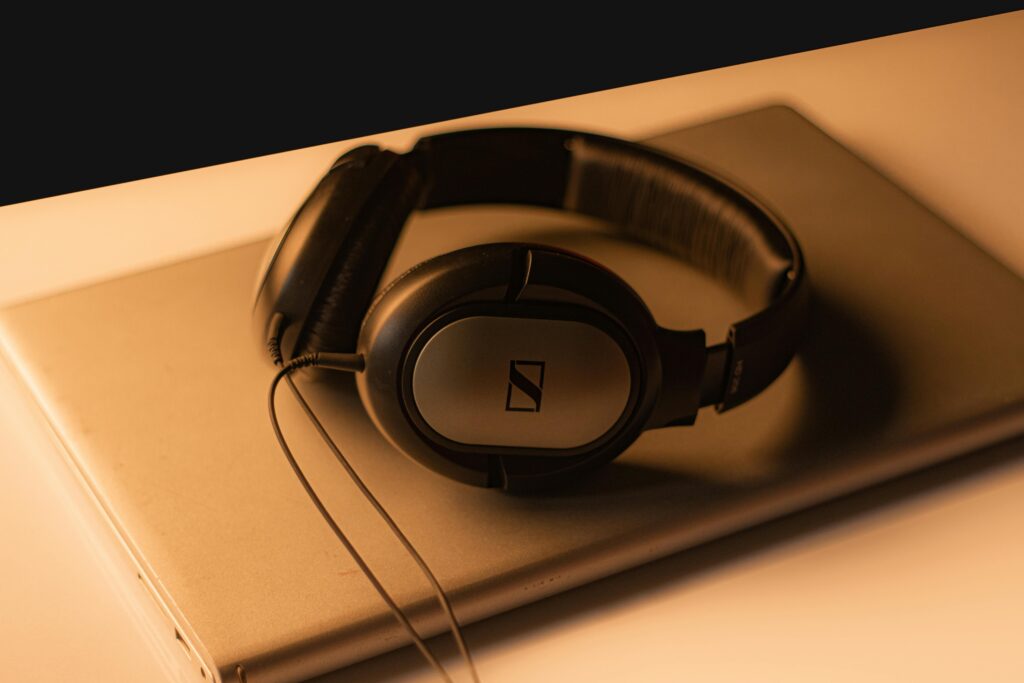
Sennheiser has adopted a minimalist design approach for the HDB 630, yet the execution reveals exceptional attention to detail. The first noticeable change is the size and structure of the earcups. They are smaller and more compact than the Momentum 4, which instantly makes the HDB 630 feel lighter and easier to carry. Although the earcups look subtle, they remain extremely comfortable even during prolonged listening.

The choice of materials contributes to this comfort. Sennheiser uses Ideatex protein-leatherette for both the headband and the earpads. This refined leatherette feels soft, smooth, and breathable, creating a premium impression the moment you touch it. The headband features a Japanese leatherette wrap, and the internal padding distributes weight evenly across the head. The headphones maintain a balanced clamp: firm enough to seal low frequencies yet relaxed enough to prevent discomfort.
The design philosophy here is simple: prioritize sonics over style. Instead of exaggerating bass or creating an artificially warm sound, Sennheiser aims for true neutrality. The ergonomic structure echoes the aesthetic of professional studio headphones, but with the comfort and portability expected from modern consumer gear.
In daily use, the HDB 630 never feels fatiguing. Long sessions remain pleasant because the materials breathe well, and the headphones avoid excessive weight. They remain steady during movement without pressing too tightly. This level of refinement indicates Sennheiser’s experience in the professional audio world, influencing its consumer products. See here.
Controls: Mastering-Grade Tuning in Your Pocket
Sennheiser’s largest control upgrade appears inside the Smart Control Plus app. The HDB 630 replaces the standard five-band equalizer found on most wireless headphones with a full Parametric Equalizer (PEQ). This upgrade transforms the headphone from a fixed-tuning device into a fully customizable instrument.
The PEQ gives you granular control over:
- Exact frequency points
- Q factor (bandwidth)
- Filter type
- Gain adjustments
Such precision is rare in wireless headphones and resembles features found in high-end audio production tools. The ability to target very specific frequencies means listeners can correct room effects, accommodate hearing differences, or shape sound characteristics with near-professional accuracy.
Another standout control feature is Crossfeed. Borrowed from Sennheiser’s legendary HE 1, Crossfeed mixes a small portion of each channel into the other, replicating the natural stereo blending of physical speakers. Older recordings, especially jazz or classic rock that rely on wide channel separation, sound more natural. Hard-panned vocals or instruments become smoother and more realistic.
These control enhancements are meaningful rather than gimmicky. They elevate the listening experience for users who understand frequency shaping or want to experiment with sound design. ANC settings, firmware updates, and sound quality options also sit within the app. Sennheiser manages to keep the interface clean, simple, and free of clutter despite offering advanced tools.
Connectivity: Truly Built for High-Resolution Listening
The HDB 630 shines in connectivity as well. Sennheiser does not restrict its focus to codec support alone. Instead, the entire internal signal chain is built to maintain integrity across wireless and wired playback methods.
The headphones support:
- aptX Adaptive
- aptX HD
- USB-C wired 24-bit/96 kHz audio
- Analog 3.5 mm input
Most premium headphones rely solely on Bluetooth codecs for high-quality transmission, but Sennheiser ensures that listeners who prefer wired digital audio receive a clean, detailed signal path. The USB-C port handles high-resolution audio seamlessly, and latency remains impressively low when using compatible devices.
The biggest differentiator, however, is the inclusion of the BTD 700 Bluetooth USB-C dongle. Only a limited percentage of laptops and smartphones support advanced codecs like aptX Adaptive. With the dongle, compatibility jumps dramatically. In real-world testing, tracks revealed more micro-detail, better instrument separation, and improved stability during hi-res streaming.
The adaptive ANC system performs strongly as well. It cancels external noise effectively without adding pressure or distorting sound. Transparency mode sounds clear and natural, making quick interactions effortless. When combined with Crossfeed and hi-res playback, the headphones deliver an immersive and technically refined listening experience unmatched in this price segment.
Sound Quality: A Masterclass in Neutrality and Precision
The sound quality of the HDB 630 justifies its premium pricing. Sennheiser uses a newly developed transducer that combines an optimized magnet mesh with carefully tuned acoustic back volume. The engineering produces a clean, tight, and neutral sound signature that appeals to listeners who prefer accuracy over coloration.
Bass
The bass response is quick, extended, and extremely controlled. Unlike consumer-tuned headphones that boost sub-bass for added “fun,” the HDB 630 keeps bass tight and restrained. This decision allows mid-range frequencies to remain clear and unmasked. Acoustic genres, classical tracks, and vocal-centric music benefit significantly from this natural approach.
Mid-Range
The mids are smooth, detailed, and lifelike. Vocals have a realistic presence, while instruments like acoustic guitars, pianos, and strings sound clean. A slight upper-mid lift adds intimacy, but the tuning avoids harshness or sharpness. For long listening sessions, this balance prevents fatigue.
Treble
The treble feels airy, extended, and refined. A tasteful rise below 10 kHz adds sparkle and spaciousness without crossing into sibilance. Even with a closed-back structure, the soundstage remains wide and three-dimensional. Layering between instruments feels natural, and the imaging precision is excellent.
Comparisons
Compared to Sony’s WH-1000XM6, the HDB 630 is less bass-boosted and more neutral. Sony offers a fun, consumer-friendly sound, but Sennheiser’s tuning serves listeners who want transparency and detail. The Momentum 4 offers warmth and smoothness, while the HDB 630 delivers clarity and studio-grade neutrality.
Hi-Res Playback
Using the USB-C port transforms the listening experience further. High-resolution tracks gain depth and spaciousness. Pairing the BTD 700 dongle improves micro-details, especially during lossless playback. Every layer of the mix becomes more distinguishable. For critical listening while traveling, the HDB 630 stands out as one of the most accurate wireless headphones available today.
Calls and Microphones: Great for Calls, With One Limitation
Call quality is reliable and clear. The microphones pick up speech effectively in both ANC and transparency modes. During video calls, latency remains low, especially when used with the dongle. Gamers will also appreciate the reduced lag.
There is, however, one notable limitation. When the microphone activates, the headphones switch to Hands-Free mode, reducing audio bandwidth significantly. This downgrade affects music quality instantly. Many Bluetooth headphones encounter this issue, but on a premium audiophile-oriented device, the limitation becomes more noticeable. It does not affect call clarity, yet it restricts multitasking for users who want to play music during voice chats.
Battery Life: Exceptional Endurance
Battery life is one of the strongest reasons to choose the HDB 630. Sennheiser claims up to 60 hours, and real-world testing confirms excellent endurance. After several days of regular use, the battery remained above 50%. This longevity surpasses the WH-1000XM6 and most premium ANC headphones on the market.
Fast charging adds convenience. A 10-minute charge delivers about seven hours of playback. Combined with the low weight and comfortable build, the HDB 630 becomes a dependable all-day listening companion.
Verdict: A Wireless Headphone in a Different League Altogether
The Sennheiser HDB 630 enters a competitive category dominated by Sony’s WH-1000XM6. Sony continues to lead in aggressive ANC and convenience-oriented features, but the HDB 630 speaks to a different audience. If you want a headphone that prioritizes neutrality, accuracy, flexibility, and high-resolution playback, the HDB 630 is unmatched in this price range.
It surpasses the Momentum 4 in sound quality and tuning precision. It also surpasses Sony’s WH-1000XM6 in customization power, connectivity flexibility, and hi-res performance. Sennheiser does not position this headphone as a replacement for open-back studio models or high-end wired headphones. Instead, the HDB 630 serves as a wireless audiophile tool for people who want serious listening performance on the move.
At ₹44,990, the price reflects its premium engineering. You get a headphone that delivers accuracy, comfort, battery endurance, and professional-grade control options. If your listening habits prioritize sound quality over extra features, the Sennheiser HDB 630 stands confidently in a league of its own. Visit here for more.