
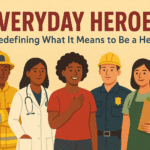
In a world often captivated by the dazzling exploits of comic book superheroes, we frequently overlook the quiet yet profound heroism present in our daily lives. The concept of “everyday heroes” is not merely a catchy phrase; it captures the essence of those ordinary individuals who exhibit extraordinary courage, kindness, and resilience in the face of life’s challenges.
These are the neighbors who lend a hand during tough times, the teachers who spark curiosity and foster hope, and the parents who undertake the monumental task of raising compassionate and responsible citizens. Heroism is no longer confined to capes and powers; it thrives in acts of empathy, cooperation, and unwavering support.
This shift from traditional superhero narratives to real-life stories marks a significant evolution in our understanding of heroism. Everyday heroes redefine what it means to make a difference, reminding us that impactful change often starts at the grassroots level. The true essence of being a hero lies in the connections we forge within our communities and the small, yet powerful, gestures that ripple out to create lasting transformation. Join us as we explore the inspiring tales of individuals who embody this new definition of heroism, and discover how you, too, can contribute to this redefining narrative. Your journey into the heart of everyday heroism begins here.
The Power of Kindness
In our fast-paced world, it’s easy to overlook the profound impact that small acts of kindness can have on individuals and communities alike. Everyday heroes often step in during moments that might seem insignificant to others. A simple smile at a stranger, holding the door for someone, or offering to help carry groceries can create ripples that extend far beyond the initial gesture. These acts remind us that kindness doesn’t have to be grand to be effective; rather, its true power lies in its simplicity and the way it can uplift those around us.
Consider the story of Sarah, a teacher who made it her mission to connect with her students by writing personalized notes to each one throughout the school year. Her small act of kindness not only boosted her students’ morale but also instilled a sense of belonging in them. The effect was palpable — other teachers began to follow her lead, creating a supportive environment throughout the school. This highlights how one person’s actions, though modest, can inspire a culture of kindness, ultimately leading to a significant community impact. Like ripples in a pond, acts of kindness can expand, encouraging others to pay it forward and contribute positively to their surroundings.
Moreover, kindness fosters interpersonal connections that strengthen community bonds. When Sarah’s notes inspired her students to express appreciation for their peers, it ignited a movement of gratitude that swept across the school. As students started complimenting each other and forming friendships, the school climate transformed. This illustrates that kindness is not just a series of isolated moments; rather, it creates a chain reaction that enhances social cohesion and mutual respect, leading to long-lasting changes in our communities.
We must recognize that every small gesture of kindness holds the potential to change lives. Everyday heroes take these moments to heart, understanding that their efforts contribute to a tapestry of goodwill. By cultivating a culture of kindness both in our personal lives and within our communities, we can transform our environment into a more compassionate and supportive space, one small gesture at a time.
Stories of Resilience
Resilience is the quiet power that allows individuals to rise from the ashes of their struggles, embodying what it truly means to be an everyday hero. Take the story of Maria, a single mother living in a low-income community. After losing her job during a downturn, Maria faced not only financial hardship but emotional turmoil as well. Yet, instead of succumbing to despair, she chose to harness her experiences to create positive change. By organizing a local food drive, Maria transformed her moment of vulnerability into a catalyst for kindness, rallying her neighbors to contribute. Her ability to find strength amid adversity became an inspiring reminder that resilience can lead to collective empowerment.
Similarly, consider the journey of Jamal, who overcame personal battles with addiction. While navigating the challenges of recovery, he recognized the importance of connection and community support. Jamal began sharing his story at local schools and community centers, illustrating how resilience could lead to triumph over even the toughest trials. His heartfelt message not only encouraged others facing similar struggles to seek help but also fostered a culture of understanding and compassion. By addressing stigma, he showed that the road to recovery could be paved with kindness, inspiring a ripple effect that strengthened community ties.
These narratives are powerful reminders that resilience is not just an individual journey; it holds the potential to influence others profoundly. Each person’s story contributes to a collective narrative that challenges societal perceptions of what it means to overcome. From Maria’s food drive to Jamal’s advocacy, the lessons learned from their struggles resonate deeply. They highlight that resilience is often born from the support we give and receive, making acts of kindness the foundation of transformational change.
In these tales of courage, we find a profound call to action. Every act of resilience inspires us to recognize the everyday heroes in our communities and to also embody that spirit ourselves. As we witness these stories unfold, we’re reminded that each struggle has the power to ignite kindness, build connections, and, ultimately, create a better world for everyone.
Educators as Everyday Heroes
In the realm of everyday heroism, educators stand out as pivotal figures who shape not just the minds but also the hearts of future generations. Each day, teachers enter their classrooms armed with more than just lesson plans; they bring passion, empathy, and the unwavering belief that every student holds the potential to achieve greatness. They are the architects of environments that foster not only academic growth but also social and emotional development. These dedicated professionals create safe spaces where learning can flourish, transforming schools into communities that emphasize kindness and empowerment.
Consider the story of Ms. Anderson, a high school teacher who recognized that many of her students faced significant personal challenges, including food insecurity and familial instability. Rather than simply sticking to her syllabus, Ms. Anderson initiated a collaboration with local food banks to establish a weekly grocery distribution at the school. This not only alleviated the students’ immediate concerns but also cultivated a sense of community where students felt supported and valued. By prioritizing their well-being, she not only empowered her students academically but also nurtured their resilience, proving that the influence of a single educator can ripple throughout an entire community.
Moreover, the impact of educators extends beyond their classrooms. They often serve as advocates for their students, rallying for equitable resources and opportunities. This advocacy can manifest in various forms — whether through petitions, community meetings, or simple encouragements for students to pursue their dreams. These efforts often inspire a culture of collaboration, where students see themselves as agents of change, understanding that they, too, can make a difference. In cultivating this spirit of involvement, educators empower students not only to excel academically but to become conscientious citizens.
In today’s world, where the challenges facing our youth are more complex than ever, the role of educators as everyday heroes is crucial. Their unique ability to engage with students from diverse backgrounds, while simultaneously promoting an ethos of kindness, fosters a generation that values compassion and collaboration. As we redefine what it means to be a hero, let us celebrate the inspiring work of educators, who tirelessly advocate for their students and embody the very essence of heroism in their daily lives.
Activism in Action
In today’s world, everyday heroes are emerging from all walks of life, driven by a shared desire for change and social justice. These ordinary individuals often engage in grassroots movements that embody the spirit of community collaboration. Whether it’s rallying neighbors for sustainable local initiatives or organizing around pressing social issues, these activists demonstrate how collective efforts can create remarkable impact. For instance, the recent movement advocating for climate action was primarily driven by individuals — students, parents, and workers — who took to their streets and online platforms to demand change. Their ability to galvanize support from their communities, often with little more than tenacity and commitment, showcases the power of grassroots activism.
Grassroots movements are significant not just for the change they seek but for how they redefine engagement with civic duties. These movements instill a sense of ownership, empowering citizens to take initiative rather than waiting for top-down directives. Organizations like “Moms Clean Air Force,” which mobilizes parents to advocate for policies that protect children from pollution, epitomize this approach. By harnessing the voices of everyday parents, these activists highlight that civic engagement doesn’t require formal titles or positions; it simply requires action sparked by passion and concern for the community’s well-being.
Encouraging civic engagement at the grassroots level can often begin with small, focused efforts. Community forums are invaluable, providing a space for people to come together, voice their concerns, and brainstorm solutions. Organizing workshops to educate individuals on local issues, such as pollution or affordable housing, can also transform awareness into action. Social media platforms can amplify local initiatives, allowing passionate individuals to share their stories and gather support quickly. By making information accessible and engaging, we can empower more everyday heroes to step into roles they may not have previously considered.
Ultimately, the beauty of grassroots movements lies in their inclusivity — they welcome everyone eager to make a difference. In a world often characterized by division, these movements remind us that together, we possess the strength and creativity necessary to address challenges, no matter how daunting they may seem. By fostering environments that support everyday heroism, we enable change that resonates deeply within communities, creating a ripple effect that inspires others to join the cause.
Redefining Heroism in Parenting
Parenting can often feel like a thankless job, yet the everyday heroism displayed by parents has the power to shape not only their children but entire communities. In a world driven by instant gratification and individualism, parents instill values of altruism, kindness, and responsibility. The lessons taught by caregivers — whether through late-night homework assistance or the routine practice of sharing with siblings — lay the groundwork for a generation that understands the importance of empathy and integrity. Everyday moments, such as volunteering at a local shelter or simply listening to a child’s concerns, serve as powerful examples of heroism, reminding us that small acts can have rippling effects far beyond our immediate vision.
Moreover, teaching children about compassion goes beyond instruction; it’s about modeling behavior in a way they can grasp. For instance, parents might engage their children in community efforts, such as organizing a food drive or participating in clean-up events, where children can witness altruism in action. These experiences not only foster a child’s sense of responsibility but also equip them with the tools to navigate the complexities of life with compassion and resilience. When children see their parents prioritize community welfare over self-interest, they’re more likely to carry those values into their own adult lives.
Balancing work and family life can often seem like an uphill battle, yet this delicate dance itself can be another form of heroism. Many parents juggle demanding careers while ensuring their children feel loved and supported. For example, a single mother might work multiple jobs yet still find time to read bedtime stories, creating an environment that values both hustle and connection. This balance highlights an essential truth: heroism isn’t just about grand gestures; it can be found in the everyday choices a parent makes to foster love, stability, and purpose. By prioritizing family while managing their professional roles, parents exemplify how dedication to both areas can lead to a more meaningful and fulfilling life.
In redefining heroism through parenting, we recognize that heroes are not always clad in capes; sometimes, they wear the everyday clothes of life. By teaching children the importance of altruism and striking a harmonious balance between career and family, parents contribute to a culture that values empathy and responsibility. In doing so, they equip future generations with the tools necessary to effect real change — not just in their own lives, but in the communities they become a part of.
How to Recognize Everyday Heroes
In every neighborhood, we find individuals who embody the true spirit of heroism, often going unnoticed amid the rush of daily life. These everyday heroes — teachers, caregivers, volunteers, and even neighbors — make significant impacts through their small, yet powerful actions. Recognizing them begins with a shift in our perception; we must learn to see beyond traditional definitions of heroism, to appreciate those who foster kindness, resilience, and community spirit in their surroundings. A simple smile, a helping hand, or a listening ear can transform someone’s day, illustrating how extraordinary acts can emerge from the most mundane of contexts.
To showcase these heroes, communities can create platforms that celebrate their contributions. Local newspapers can dedicate sections to featuring inspiring stories, while social media can serve as a hub for sharing transformative narratives that highlight everyday heroism. For instance, a neighborhood initiative could spotlight a resident who organizes weekly food distributions for those in need, inspiring others to engage in similar acts. Schools can implement “Hero of the Month” programs, recognizing students who demonstrate exceptional kindness or bravery, thus fostering a culture of appreciation. By sharing these stories, communities not only give recognition to these individuals but also inspire others to follow in their footsteps.
Encouraging the recognition of everyday heroes is crucial for nurturing a positive community atmosphere. We can start by actively expressing gratitude — whether it’s a simple thank you note or a public shout-out on community bulletin boards. Moreover, establishing annual community awards can serve as formal recognition for those who make a difference in the lives of others. Events such as community potlucks or hero parades can further amplify this recognition, bringing people together to celebrate the unsung efforts that often go unnoticed but are profoundly transformative.
Ultimately, the act of recognizing everyday heroes fosters a deeper sense of connection within our communities. As we shine a light on those whose actions uplift others, we encourage a ripple effect of kindness and compassion. By sharing their stories, we not only honor their efforts but also inspire more people to step up and contribute positively, creating a cycle of heroism that resonates across all walks of life. Each acknowledgment can spark a newfound drive in others, transforming simple gestures into movements that redefine what it truly means to be a hero.

Spreading the Message of Heroism
In an age where media informs our perspectives, the stories we tell about heroism have the power to shape our understanding of what it means to be a hero. Traditional superhero narratives often focus on extraordinary powers and grand gestures, but the media can amplify the everyday acts of courage and kindness that occur around us. Platforms like television, podcasts, and local news can highlight stories of ordinary individuals, showcasing how their actions create ripples of social change. By shifting the narrative from the fantastical to the genuine, we foster a more inclusive understanding of heroism that resonates deeply within our communities.
Social media has emerged as a powerful tool for celebrating everyday heroes. Platforms like Instagram and Twitter allow individuals to share their experiences and recognize the contributions of their peers in real time. For instance, hashtags like #EverydayHeroes have gained momentum, creating a virtual space where acts of kindness — such as a neighbor helping another in need or a local business donating supplies — can be highlighted and appreciated. This immediate recognition encourages others to step up, fostering a culture of empathy and support that inspires further acts of generosity. When we share these stories widely, we cultivate a community that values and actively participates in social change.
Encouraging others to share their hero stories is crucial in this movement. Whether through community newsletters, local events, or social media campaigns, giving people platforms to narrate their experiences can ignite a collective spirit of heroism. Consider hosting storytelling nights where community members can come together and share their personal journeys of resilience and kindness. This not only honors their contributions but also motivates others to engage in their own acts of heroism, creating a cycle of inspiration that reverberates throughout the community.
As we embrace this redefined concept of heroism, it is essential to remember that even the smallest story has the potential to spark significant change. By focusing on the narratives that celebrate everyday individuals, we foster a culture that appreciates kindness, resilience, and collaboration. In doing so, we not only highlight the heroes in our midst but also encourage a collective commitment to making our communities better places for all.
Embracing the Spirit of Everyday Heroes
In a world often enamored with grand gestures and larger-than-life figures, we have explored the transformative idea of redefining what it means to be a hero. Everyday heroes emerge not from capes or superpowers but from acts of kindness, resilience, collaboration, and commitment to community. By recognizing the profound impact of small, consistent efforts, we can cultivate an environment where heroism flourishes in our daily lives. Each act of compassion, each step toward activism, and each moment of mentorship contributes to a tapestry of collective impact that uplifts us all.
As we conclude this exploration, let us carry forward the message that every individual has the potential to be an everyday hero. We encourage you to seek out those around you who are making a difference, to share their stories, and to take action in your own community. By valuing and celebrating the unsung heroes in our midst, we foster a culture of gratitude and inspiration, reminding ourselves that heroism isn’t defined by grandiosity but by the genuine connections we forge and the lives we touch. Together, let’s transform our communities into vibrant landscapes where the spirit of everyday heroes is recognized, celebrated, and embraced. Visit here.